An 11-hour drive and flooded roads: what it takes to get to school in the bush
A survey of nearly 2,000 rural families found 45 per cent would move or split their households if boarding school were not an option.
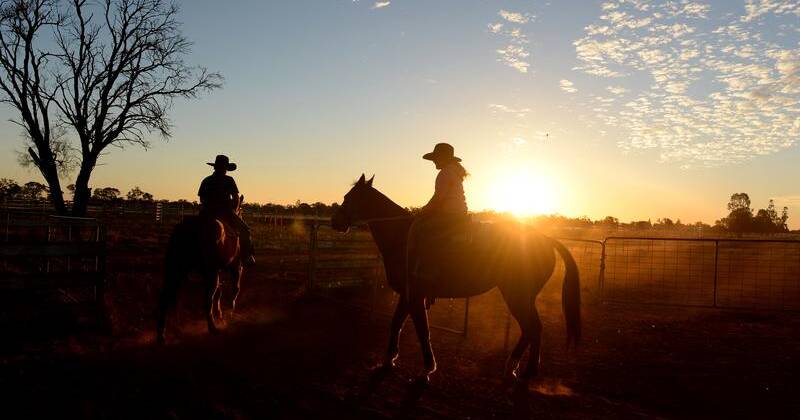
Almost half the rural families surveyed by the Boarding School Collective said they would move or split their households without access to boarding school. The national survey of nearly 2,000 families put the figure at 45 per cent overall and 56 per cent among those living in very remote areas.
For Haylie and Chris Hill, splitting the household was how they kept their teenagers at school in Charters Towers. Their home town of Camooweal, on the Queensland–Northern Territory border, has no high school. Tex and Violet had boarded an 11-hour drive away, but rising fuel prices in early 2026 and a long wet season that slowed the family’s water-pump business made the fees harder to afford. Haylie now lives in Charters Towers with their three children, and the teenagers attend as day students.
“I'm sure people think I'm crazy because most people have a school just down the road,” Hill said. She is adjusting to parenting on her own during school terms, while Chris spends that time apart from the family.
Tara and Angus Bird left Bourke for Bedgerabong to be closer to schools in Forbes, but their children still faced a daily 90-minute journey on three buses. When floods cut roads or inundated the primary school, their youngest daughter missed much of a term. The family eventually applied for bursaries to send all three children to boarding schools in Sydney for more consistent schooling.
Boarding School Collective founder Amanda Ferrari said limited school options also make it harder for rural towns to retain workers. About half of surveyed families working in education or trades said they would leave town or split up without boarding options, as did about a third of health worker households.
Ferrari is calling on the federal government to treat boarding schools as essential regional infrastructure, subsidise fees and increase payments for isolated children so more parents can stay in their communities.




Comments