Opinion: Trump can slow global climate action, but the U.S. risks falling behind
Climate scientist Bill Hare argues that U.S. climate retreat could cost America ground in clean energy markets if other countries stay the course.
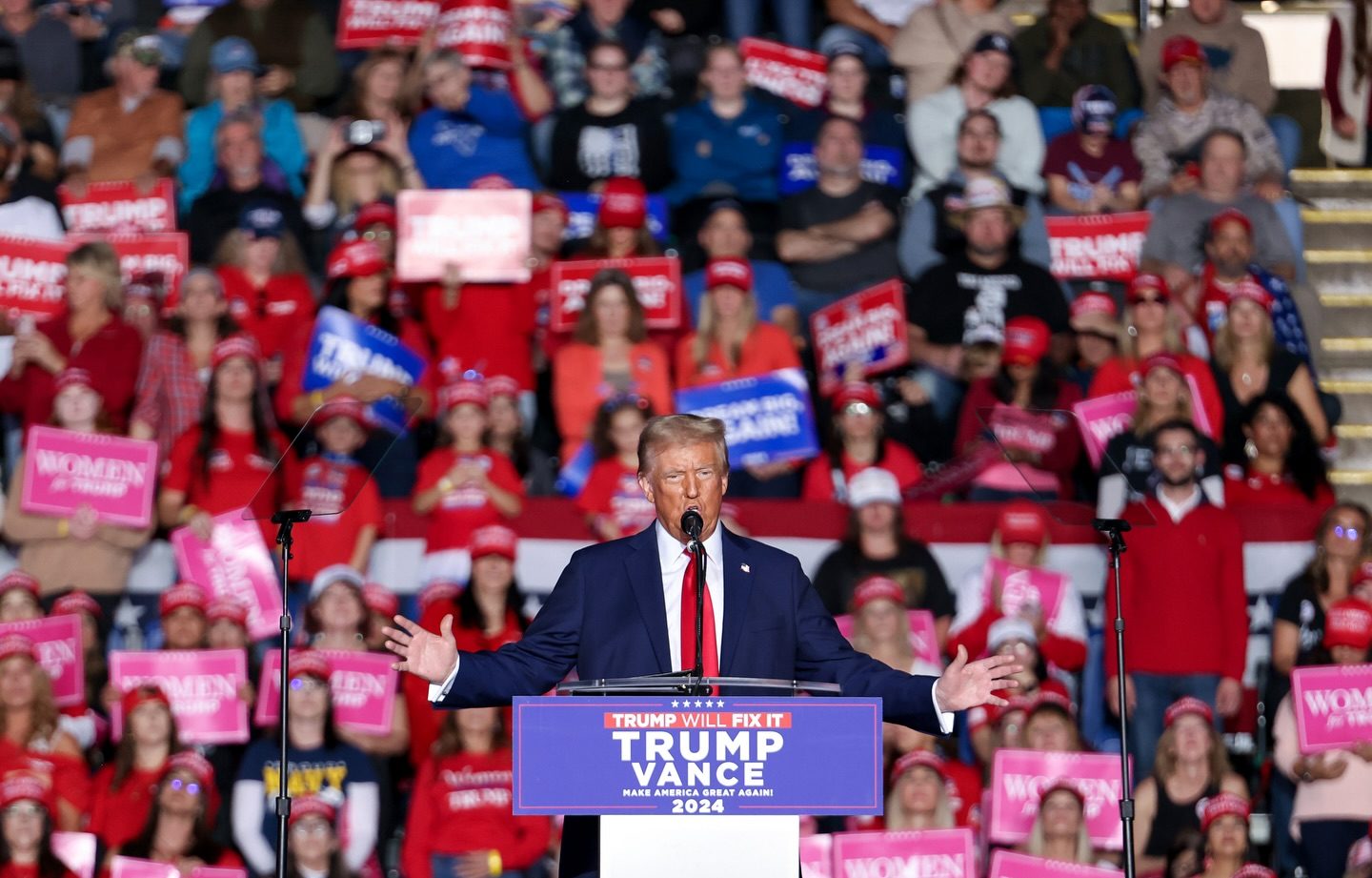
Donald Trump’s re-election was a setback for global climate action, but it need not stop it, climate scientist Bill Hare argued ahead of the COP29 talks in Baku. Trump had pledged to withdraw the United States from the Paris Agreement again. Hare warned that if other countries kept cutting emissions and investing in clean energy, the United States could lose ground in the technologies and markets driving the transition.
U.S. leadership has mattered before. The world’s largest economy and second-largest emitter helped secure the Paris Agreement and backed an international commitment to move away from fossil fuels. But there is also a precedent for other countries pressing on: climate cooperation continued after the United States withdrew from the Paris pact during Trump’s first term.
The economics make a repeat retreat riskier for Washington. Global clean energy investment was approaching $2 trillion a year, nearly twice the amount going into new oil, gas and coal supply. At home, the Inflation Reduction Act has brought projects and jobs to Republican-led states, and some House Republicans have defended its clean energy tax credits even though no Republicans voted for the law.
China sees strategic and economic advantages in the energy transition, while the European Union has continued to pursue its green development agenda. The biggest danger, in Hare’s view, is that other governments take U.S. retrenchment as permission to slow down. If they do, the damage could be lasting. If they instead strengthen their commitments in line with the Paris Agreement’s 1.5°C limit, they can contain the fallout.
Hare urged Australia to build a coalition of countries willing to strengthen their climate commitments and to do more at home. For Australia, where repeated bleaching has damaged the Great Barrier Reef, the stakes are already visible. The immediate test he identified was whether governments at COP29 could keep negotiations moving despite uncertainty over U.S. policy.




Comments