From Nadi to Babaka, a youth-led pilot shows the hurdles to climate funding
A youth-led farming pilot reached 37 people in Papua New Guinea, but its co-founder says larger climate funds remain out of reach.
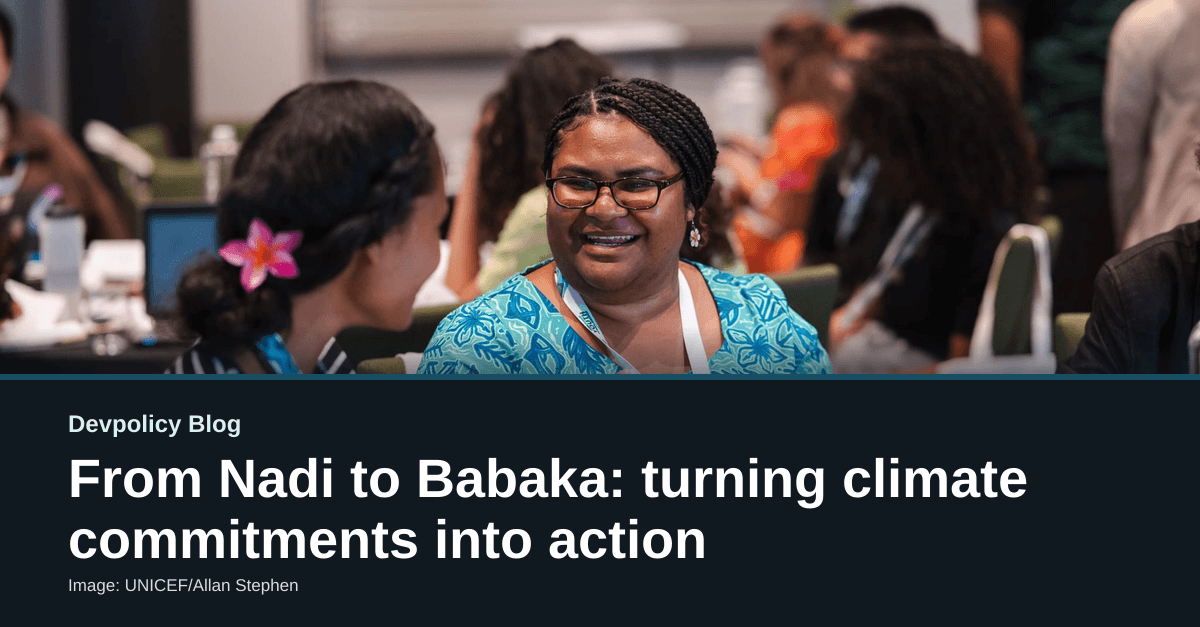
A youth-led farming pilot in Papua New Guinea’s Central Province reached 37 people with a grant of up to US$2,000 and help from local volunteers. But Dianne Parascos, co-founder of Voices of the Soil, says her group lacks the audited account, accredited partner and proposal-writing capacity needed to tap larger climate funds.
Parascos brought that experience to the Pre-COP31 Australia Pacific Youth Climate Dialogue in Nadi, Fiji, in October 2026, where she helped draft the youth outcome statement. Access to finance was one of four priorities at the gathering, alongside limiting warming to 1.5°C, addressing the links between the ocean and climate, and strengthening Pacific leadership.
The pilot ran from March through June 2026 in Papakana, Rakili, Wainepune, Rilo and Irupara. It combined training in climate-resilient farming with financial literacy, small-business development and community leadership. It fell short of its target of 50 participants, reaching 26 women and 11 men. The grant from the Youth Empowerment in Climate Action Platform paid for training, materials and practical farming support, while community leaders and participants contributed in kind.
For Papakana, a low-lying coastal community in Babaka Village, freshwater supplies and food production are closely linked. Parascos says saltwater intrusion, coastal flooding and prolonged dry periods put pressure on local livelihoods. Climate finance could help pay for measures such as water storage and more resilient food gardens, she says, but technical applications and demanding reporting requirements can make funding hard for rural groups to access.
Papua New Guinea’s National Adaptation Plan lays out a framework for building resilience. Parascos argues that putting it into practice will require closer ties between government agencies, development partners and community organisations, with residents helping to set priorities and judge what works. The farming pilot was designed as a test; whether it can expand through partnerships and further funding remains open.



Comments