Southeast Asia is using more electricity, but coal and gas still dominate its grids
A COP31 pledge aims to expand electricity use, but coal and gas still generate nearly three-quarters of Southeast Asia’s power, the IEA says.
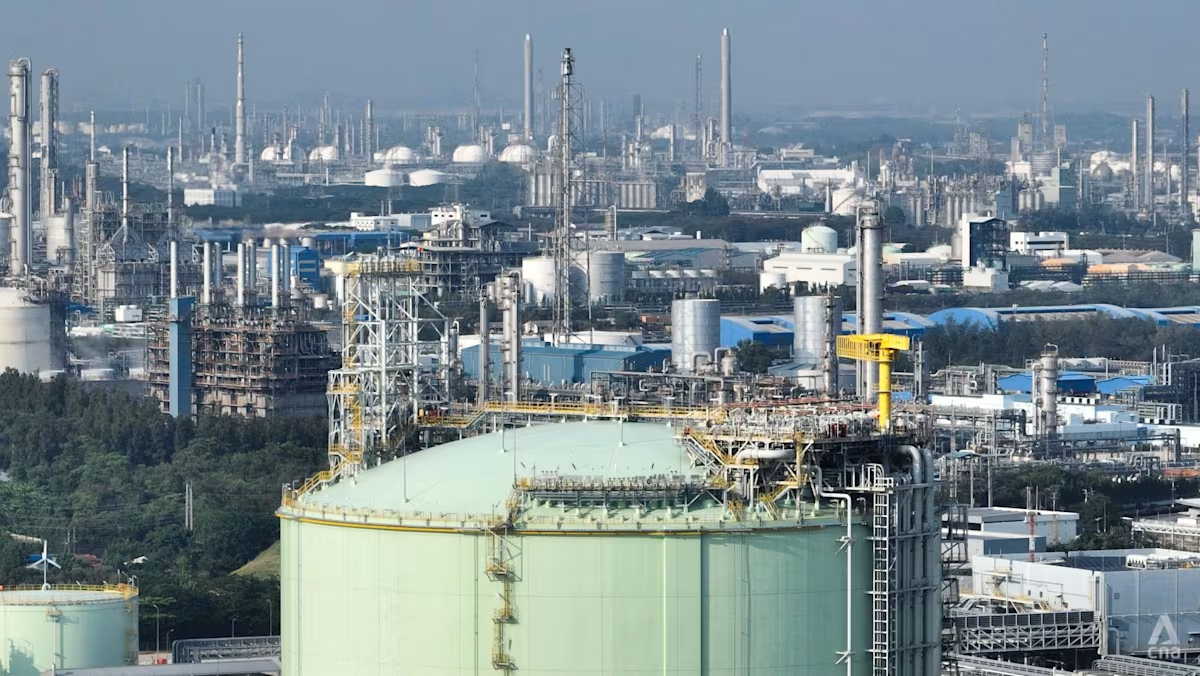
The COP31 presidency is promoting a voluntary pledge to raise electricity’s share of global energy use to 35 percent by 2035. Southeast Asia is already ahead of the global average, but much of its growth in electricity use has come from rising demand for cooling, appliances and industrial activity rather than from replacing fossil fuels, the International Energy Agency said.
Electricity accounts for 25 percent of the region’s energy use, compared with 23 percent globally, according to the IEA. Coal generates almost half of Southeast Asia’s power and gas supplies nearly another quarter. Electric vehicles and heat pumps can use energy more efficiently than combustion engines and gas boilers, but the emissions savings depend on how the power is generated.
Transport shows how slowly new technology can displace existing fuel use. Electric vehicles made up about 30 percent of new car sales in the first half of 2026, yet electricity supplied less than 0.5 percent of the region’s transport energy needs in 2025. In industry, many factories still burn coal or gas for heat even where electric boilers and heat pumps are available. The IEA found that investment in switching factories to electricity has barely risen over the past decade.
Under current policies, the IEA projects that electricity could supply 32 percent of Southeast Asia’s energy use by 2035. Its more ambitious scenario puts the share at 41 percent, but meeting all the additional demand in that scenario would require renewable power generation to more than triple by then.
One way to share that cleaner power is through the ASEAN Power Grid. Nine of 18 planned cross-border connections were operating as of 2026, and a pilot already sends electricity from Laos to Singapore through Thailand and Malaysia. Expanding power trade still faces regulatory and financing hurdles: the IEA estimates that planned cross-border links will require US$27 billion in investment by 2040.




Comments