Why engineering students need practice fixing what goes wrong
An I-STEM official argues that Indian engineering labs should grade students on how they diagnose faults, not just on whether they get the expected result.
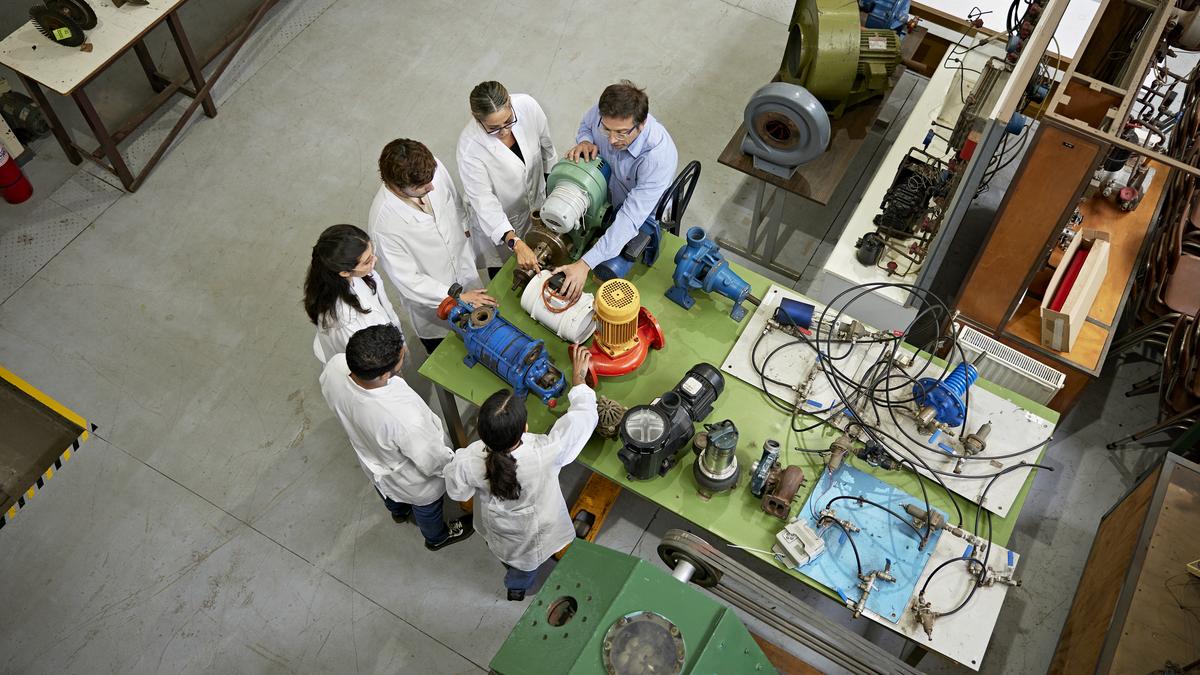
An I-STEM official is calling for undergraduate engineering labs in India to give students practice diagnosing equipment failures, rather than asking them only to reproduce results they already know. The proposal would change what earns marks: a student who explains why a machine failed could get credit even without completing the expected set of readings.
In the official’s account, conventional practicals are designed to run predictably. Instruments are calibrated in advance, and manuals lead students toward a known result. That makes grading faster for instructors handling large batches, but it can also give students a reason to discard an unusual reading rather than investigate it.
That trade-off matters beyond the classroom. Students can use software to generate firmware or model how an assembly will handle heat, the official writes, but those tools do not eliminate problems such as contact resistance or aging components. In product development and manufacturing, engineers must work out why physical equipment behaves differently from a model, often with incomplete information.
One option is to share networked test rigs on which instructors can introduce controlled faults. Students would examine live readings and keep a log of their hypotheses, tests and conclusions. Another is to put sensors on campus infrastructure, such as a rooftop solar array, where students can encounter problems that a clean workbench may not reveal. Teams could also take turns introducing and diagnosing non-destructive faults in a teaching setup.
The official argues that these exercises fit the All India Council for Technical Education’s 2018 Examination Reform Policy, which calls for assessing higher-order thinking. The proposals would still require instructor time to assess students’ reasoning, and field exercises would require coordination with campus facilities staff.






Comments