Plant-based burgers could cut emissions with fewer nutritional trade-offs, study finds
A Nature Food study found that replacing most beef, lamb and other ruminant meat could cut emissions while keeping nutritional risks low.
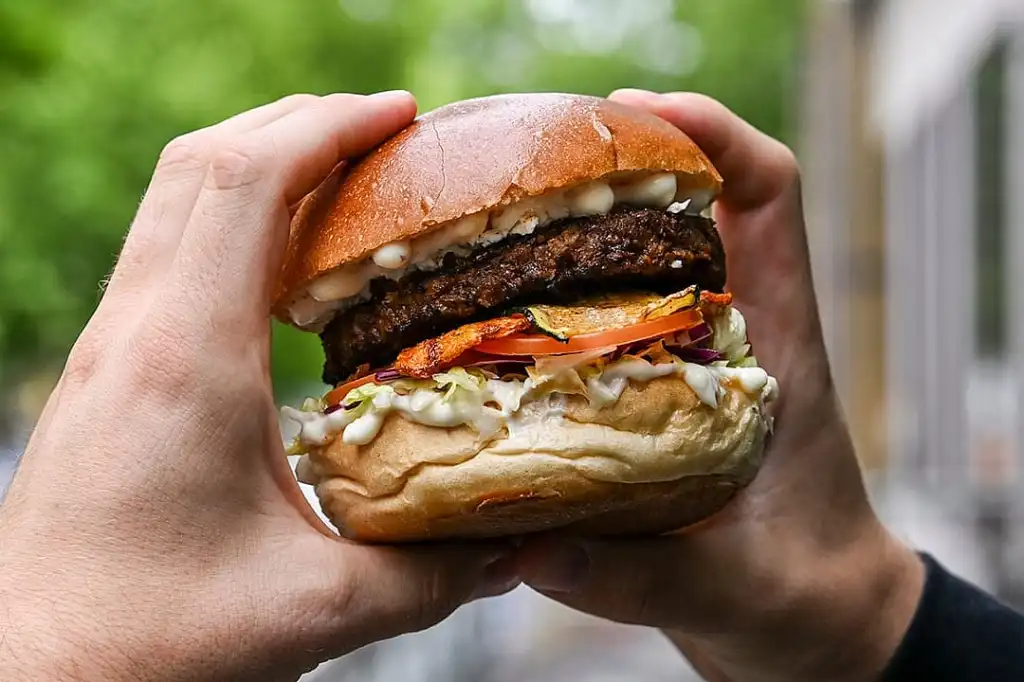
Replacing beef and other ruminant meats with plant-based alternatives could deliver substantial climate benefits without many of the nutritional risks of cutting back on animal foods across the board, according to a modeling study published in Nature Food.
Researchers projected what would happen through 2100 if plant-based alternatives gradually replaced 25%, 50% or 75% of animal products. Replacing 75% of meat from cattle, sheep and goats delivered about half the emissions savings of replacing 75% of all animal products, while posing minimal nutritional risks in the model.
In the broadest scenario, emissions from agriculture, forestry and other land use fell by up to 65% by 2100 compared with the study’s baseline. Much of the reduction came from gases other than carbon dioxide, including methane. That scenario could also spare up to 383 million acres of forest, though the estimate assumed land freed from livestock production would be allowed to return to natural vegetation.
As the researchers modeled deeper cuts across animal foods, including eggs and dairy, the risk of shortfalls in nutrients such as vitamin B12, folate, zinc and vitamin A rose. The effects varied by region and were especially pronounced in India, Latin America, the Middle East and North Africa. The study used nutrient data from 56 existing plant-based products and did not assess the cost of fortifying them or distributing supplements.
Study author Zhaowu Yu of Fudan University said the projections illustrate what dietary shifts could achieve, not what is necessarily feasible. He said a gradual transition would be more realistic and would require better alternatives and support for farmers. The model did not account for the rural livelihoods that depend on animal agriculture.
Comments