Two Hunter data centre plans rank among Australia’s highest emitters in new modelling
Two proposed Hunter data centres could generate 6.2 million tonnes of emissions a year by 2035 without new renewables and storage, a report finds.
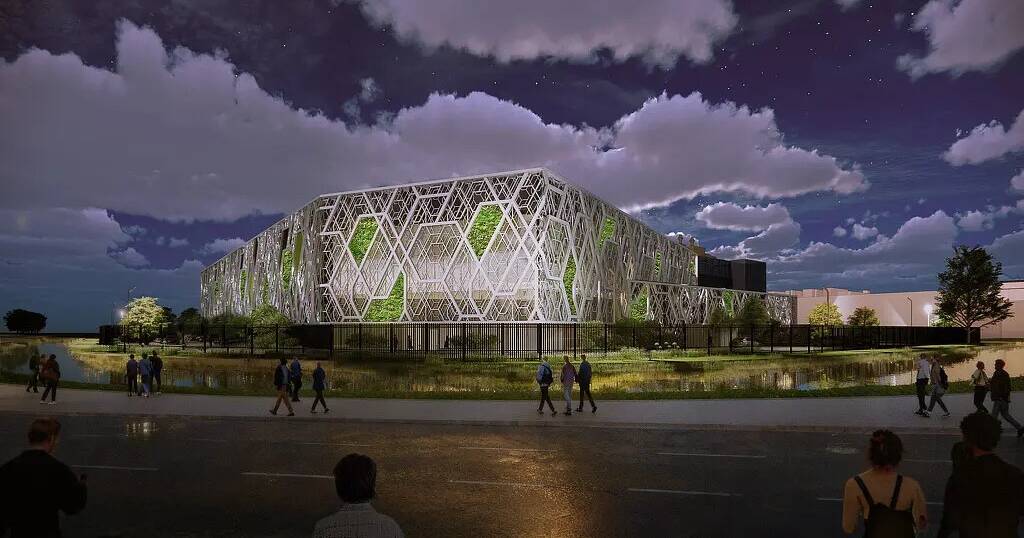
Two proposed Hunter data centres could add 6.2 million tonnes of greenhouse gas emissions a year by 2035 if they draw power from the grid without adding enough renewable generation and storage to match their demand, according to modelling by the Climate Council and Carbon Zero Initiative.
The report ranks the Hunter Valley AI Training Campus near Warkworth and the Mayfield Energy Precinct near Denman among nine of Australia’s highest-emitting data centre proposals. Each was modelled at 3.1 million tonnes a year, assuming it operates at 50 per cent of capacity on average. Together, that is nearly half the 13.5 million tonnes Eraring power station reported in 2024–25, though the authors caution that the comparison is illustrative because the figures cover different years and were calculated differently.
Voltic DC’s Warkworth campus would have a capacity of up to 1 gigawatt and sit beside the former coal-fired Redbank Power Station. The NSW Independent Planning Commission rejected a proposal to convert Redbank to burn biomass in 2025 over potential environmental impacts. Voltic says it will explore power supply deals with Redbank’s owner, Verdant Earth Technologies, if the conversion proceeds.
The Mayfield Energy Precinct, proposed by Malabar Resources and Akaysha Energy, would have up to 1 gigawatt of computing capacity alongside Malabar’s mining operations. The precinct would draw electricity from the grid and include a battery with up to 2 gigawatts of power and 8 gigawatt-hours of storage. An environmental impact statement is expected in the first half of 2027.
The report also cites modelling by Baringa for the Clean Energy Finance Corporation that projects NSW wholesale electricity prices could be 26 per cent higher by 2035 without matching renewables and storage. The Climate Council wants the Albanese government to require large data centres to match their demand with new renewables and storage under national standards it aims to legislate in early 2027. NSW already asks developers seeking faster assessments to match demand with new renewables within four years, but its guidelines are voluntary.
Comments