Opinion: What Wallonia’s closed trails can teach us about carbon offsets
Hunting closures in Wallonia offer a lens on Humundi’s warning that some carbon offset projects can shut communities out of their own land.
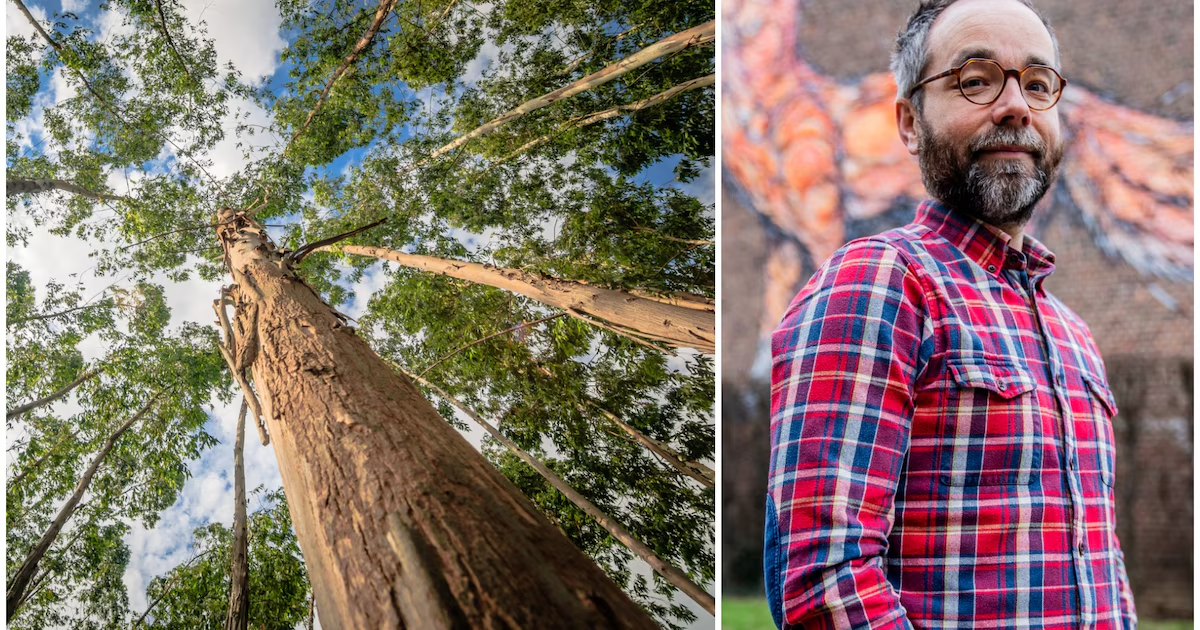
Nearly 300 forest areas in Wallonia are set to close to walkers on November 21 and 22, 2026, while hunters retain access. Walkers who ignore the restrictions risk a €125 fine. A spoiled weekend outing is a small grievance, but it raises a question worth asking far beyond Wallonia: Who gets to decide who can use the land?
At the COP31 climate summit, the Belgian NGO Humundi warned that some carbon offset projects can deprive local communities of access to land they depend on. Its criticism concerns the voluntary carbon market, not the European Union’s emissions trading system. In the voluntary market, companies can buy credits tied to projects intended to compensate for their emissions.
A tree plantation may look like a straightforward climate benefit. But choosing a single species for its ability to absorb carbon dioxide can turn savanna or farmland into a monoculture. If residents are encouraged to grow that same crop, their ability to feed themselves can suffer. In more extreme cases, they can lose access to their land altogether. And when trees are grown for timber, the carbon they were meant to store can be released again.
Being turned back from a forest path is not the same as losing land that sustains a community. The comparison is useful precisely because the stakes are so different. Before treating an offset as evidence of climate progress, ask not just how much carbon a project promises to store, but who still gets to use the land once it begins.



Comments