Opinion: Trump’s 2015 Loyalty Pledge Didn’t End His Challenge to the GOP
In a 2015 column, John Scott G argued that Donald Trump could keep pressure on Republican leaders even after pledging to support the party’s nominee.
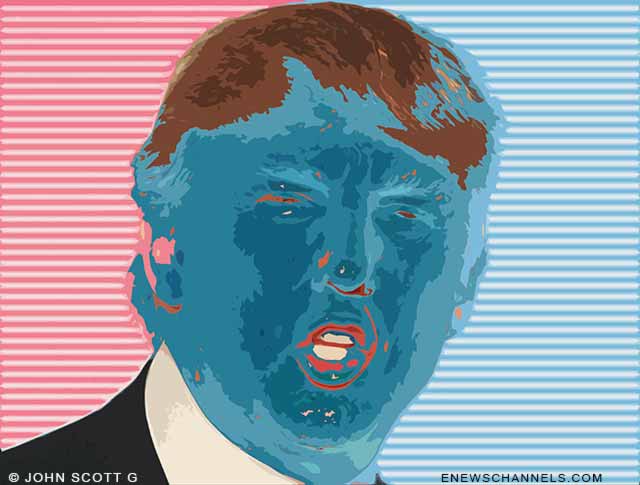
Donald Trump’s pledge to support the eventual Republican presidential nominee looked like a concession to party leaders. But in a 2015 opinion column for eNewsChannels, John Scott G argued that the pledge did little to settle a bigger question: How much control did Republican leaders have over a nomination contest Trump was already shaking up?
Trump was leading Republican primary polls at the time and had floated an independent run. The columnist saw that possibility as leverage: A separate Trump candidacy could draw votes from both major-party nominees. By signing the pledge, Trump agreed to back the Republican nominee rather than run as an independent, but the columnist did not see the agreement as legally binding.
The column also imagined a different challenge from within the party. If Trump were left off a Republican primary ballot, the author suggested, he could ask supporters to write in his name and turn the vote into a show of defiance. The column did not establish where write-ins would be allowed or whether those votes could earn delegates.
That uncertainty matters. A lead in the polls was not proof that Trump could bypass primary rules. The stronger point was political: The pledge secured a promise from Trump, but it said nothing about whether his supporters would follow the party’s lead.
Comments