Opinion: A Quebecor-Telus merger would weaken competition and risk eroding trust in Ottawa
Quebecor has made a $31-billion offer for Telus, and Vass Bednar argues Ottawa should block the deal or introduce a public telecom option.
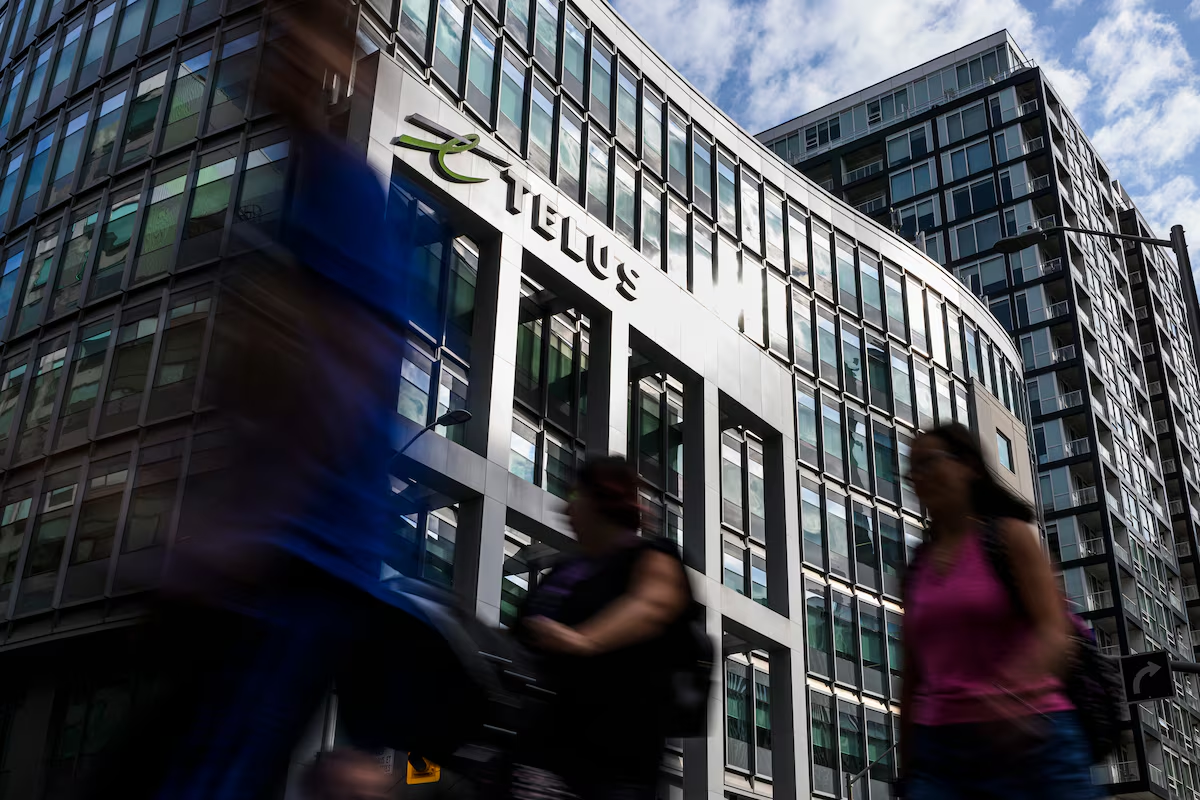
Quebecor, Canada’s fourth-largest telecommunications company, has gone public with a $31-billion offer to buy Telus, the third-largest. Vass Bednar, managing director of the Canadian Shield Institute, argues the deal would leave Canadians with fewer choices and could raise their phone and internet bills.
The bid tests Ottawa’s strategy for expanding wireless competition. In 2023, the federal government allowed Quebecor to buy Freedom Mobile from Shaw to establish a fourth national wireless carrier. Freedom undercut its rivals on price, and wireless costs have fallen 35 per cent since the acquisition, Bednar writes. Now the company Ottawa counted on to challenge the three largest carriers wants to buy one of them.
Bednar points to the Rogers-Shaw merger as a reason to be skeptical of promises made to secure approval. Rogers pledged to create 3,000 jobs in Western Canada and says it has hired for 2,600 such positions. A 2024 Globe analysis found that more than 3,000 positions overall were cut or left vacant across the merged companies. OpenMedia says none of the potential $1 billion in penalties for non-compliance has been collected.
The stakes go beyond telecom bills. Drawing on economist Isabella Weber’s work, Bednar argues that when governments appear unable to keep essentials affordable, people can lose confidence in democracy’s ability to improve their lives.
It remains unclear whether Prime Minister Mark Carney’s government will block the deal. If it goes ahead, Bednar argues Ottawa should introduce a public option. She points to Australia’s publicly owned wholesale broadband network and suggests another route for Canada: give Canada Post fair wholesale access to existing networks so it can sell phone plans through its post offices.





Comments