Is it safe to run a 3D printer in your living space? What the science says
Lab tests found that emissions from two common 3D printing materials affected airway cells, but the long-term risks to people at home remain unclear.
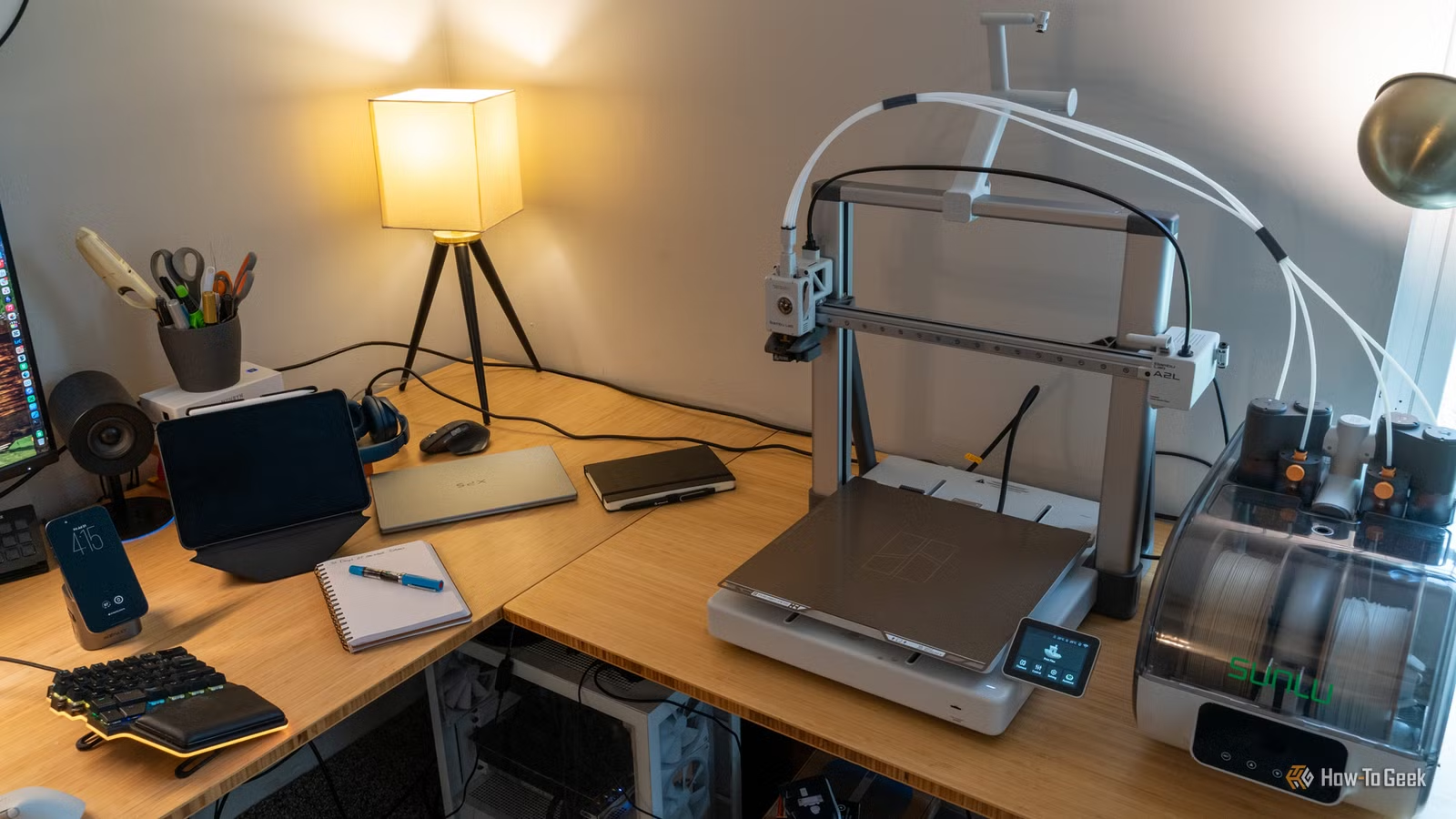
A 3D printer can release airborne particles while it runs, and a 2024 laboratory study found that emissions from two common filaments affected human airway cells grown in a lab. The findings do not establish what happens to people who regularly share a room with a printer, but they offer a reason to limit exposure rather than run one next to a desk or couch.
Researchers tested emissions from a filament printer using PLA and ABS. The materials affected cells in different ways: PLA emissions were more likely to disrupt how cells process fats, while ABS emissions were more likely to increase oxidative stress. ABS produced more emissions overall in the tests, while PLA produced a higher concentration of smaller particles.
The study covered just two three-hour print runs and did not measure volatile organic compounds, another potential health concern. Nor does it show whether other printer models or filament brands would produce the same results. The long-term effects of repeated exposure at home remain unknown.
The National Institute for Occupational Safety and Health recommends using lower printing temperatures and placing printers under fume hoods or inside ventilated enclosures with exhaust. Its guidance also recommends HEPA filtration where possible and room ventilation that provides six air changes per hour. An enclosed printer may make it easier to route emissions through a single exhaust point, but a closed case is not the same as a ventilated enclosure.
For home users, a practical step is to put the printer in a separate, well-ventilated room where people spend little time. Resin printers bring an additional concern: handling resin calls for protective equipment. None of the cell findings establish a safe amount of time to spend near a running printer.






Comments