Nearly 400 glaciers vanished across six Western states, study finds
More than a quarter of the glaciers recorded in historical surveys across six Western states had disappeared by around 2015, researchers found.
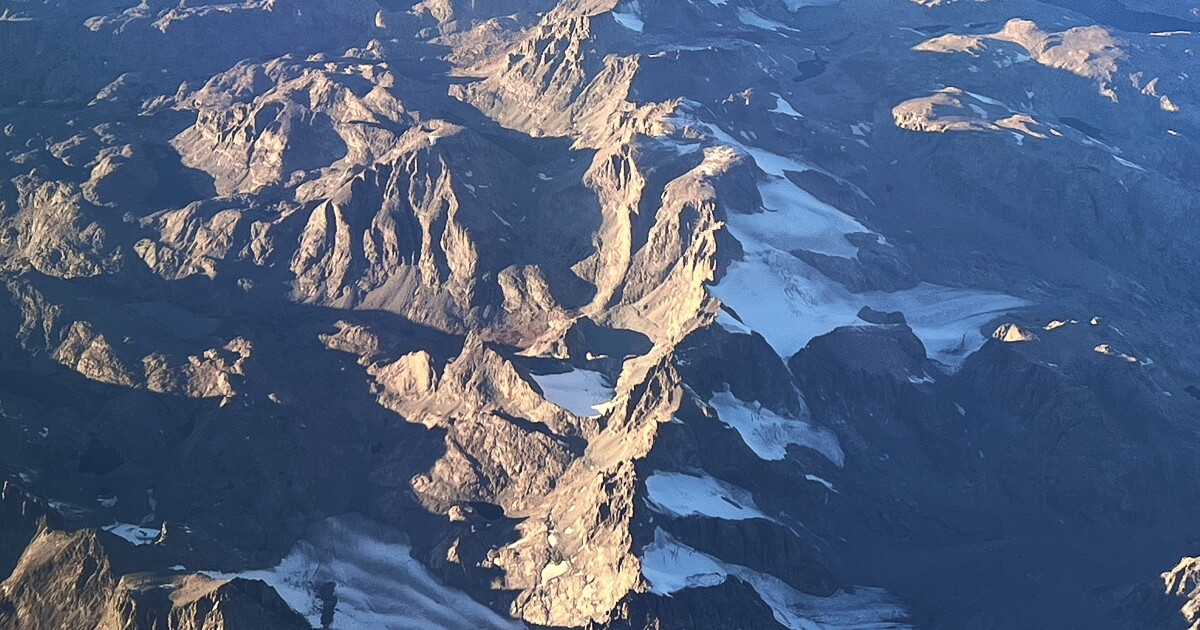
Nearly 400 glaciers disappeared across six Western states as the climate warmed, according to a study published in the Proceedings of the National Academy of Sciences. That amounts to more than a quarter of the glaciers recorded in historical surveys.
Andrew Fountain, a glaciologist at Portland State University, led the team that compared glacier inventories from the 1950s through the 1980s with aerial and satellite images taken around 2015. The researchers identified more than 1,300 glaciers across California, Colorado, Montana, Oregon, Washington and Wyoming. Most were small, Fountain said. Mount Rainier alone had more glacier-covered area and a greater volume of ice than all the glaciers in the other five states combined.
Across the study area, glaciers lost roughly a third of both their surface area and ice volume. The decline in ice-covered area was steeper in several ranges: about 64% in California’s Sierra Nevada, 62% in Montana’s Beartooth Mountains and Absaroka Range, and 48% in Wyoming’s Wind River Range.
Glaciers release cold water into streams during the hottest, driest months, even after the seasonal snowpack has melted. That late-season supply helps sustain high-elevation ecosystems and cold-water species. As glaciers shrink, Fountain said, they are less able to buffer the effects of drought.
The losses are uneven. In parts of the Rocky Mountains, steep slopes shield some glaciers from direct sun, while wind and avalanches deliver extra snow to sheltered spots. Even where terrain helps ice persist, researchers warn that continued glacier loss could leave alpine watersheds more vulnerable to drought and warmer streams.



Comments