What’s driving Delhi’s winter pollution beyond farm fires
Vehicles, dust and emissions from across the capital region help drive Delhi’s winter pollution, while calm winds keep it close to the ground.
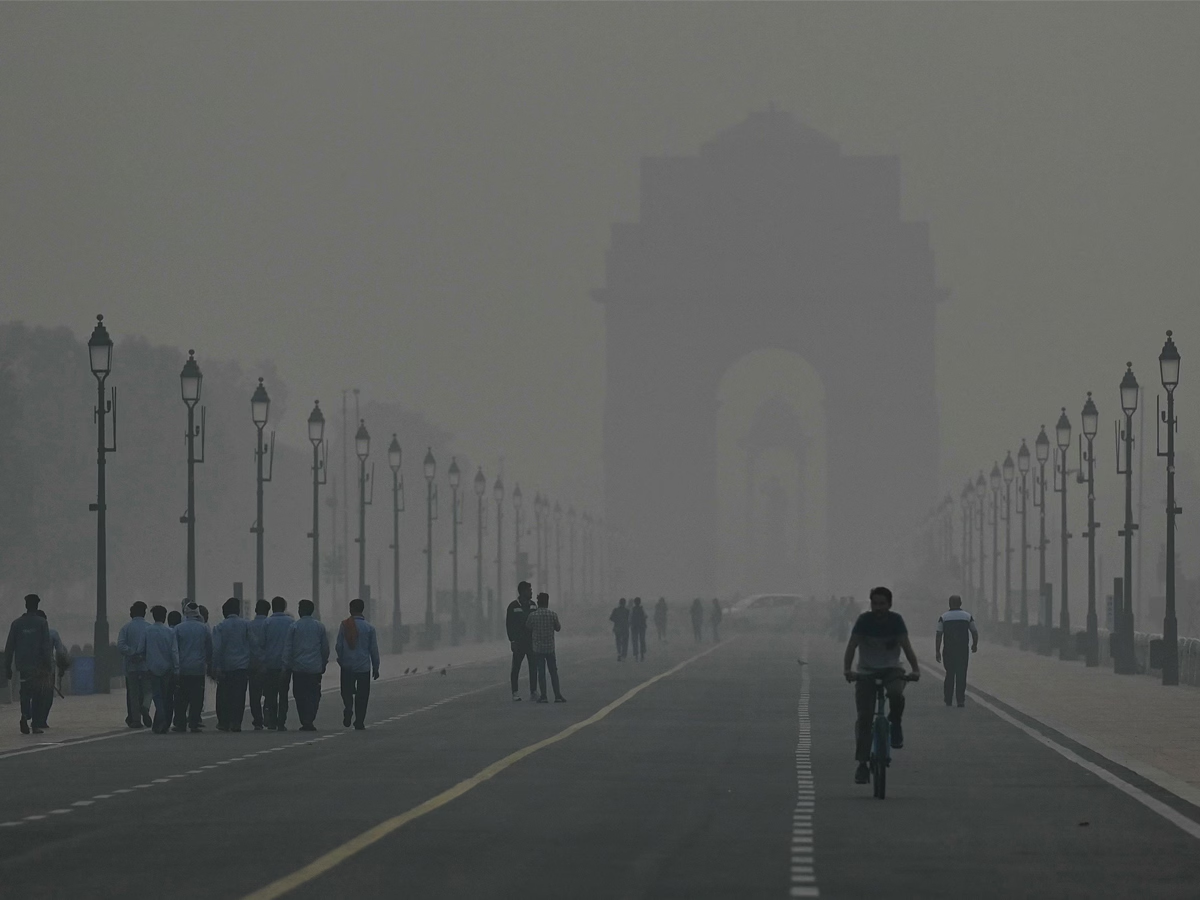
Delhi’s Air Quality Index climbed to 391 on November 9, the morning after Diwali, its highest reading of the season. The rise came after the Commission for Air Quality Management imposed Stage III restrictions across Delhi and the National Capital Region, halting heavy construction and demolition work, restricting older vehicles and moving classes up to grade 5 to a hybrid schedule.
The air was already heavily polluted before the festival. The Centre for Science and Environment found that Delhi’s pre-Diwali PM2.5 concentrations averaged 236 micrograms per cubic metre, a three-year high. India’s 24-hour standard is 60. In a separate analysis of data for November 10–20 in 2023, 2024 and 2025, the centre found that vehicles accounted for 51–53 percent of the fine-particle pollution attributed to sources within Delhi, not of the city’s total.
Pollution also travels across city and state borders. The Indian Institute of Tropical Meteorology’s Decision Support System attributed 54 percent of Delhi’s PM2.5 from November 1 to 8 to neighbouring districts in the National Capital Region. Other contributors include road and construction dust, factories and households burning solid fuels for cooking and heating.
Farm fires matter most during a short stretch of the year. Mohit Beotra, chief executive of the Air Pollution Action Group, estimates that stubble burning accounts for 5–7 percent of Delhi’s pollution over a full year but about 20 percent on average from mid-October to mid-November. Its share can reach 40–50 percent on individual days. Winter conditions make emissions from all sources harder to disperse: warm air above a layer of cooler air can trap pollution near the ground, and weak winds offer little relief.
Bhargav Krishna of the Sustainable Futures Collaborative says many building sites fall short on routine dust controls and that shutdowns should be reserved for emergencies because daily-wage workers can lose income. Monitoring of stubble burning continues through November 30, but the final fire count will capture only one part of a problem that experts say requires action across state lines.




Comments