Why rinsing raw meat can spread bacteria around your kitchen
Rinsing raw meat can spread bacteria to nearby surfaces and food, while cooking to the recommended internal temperature kills them.
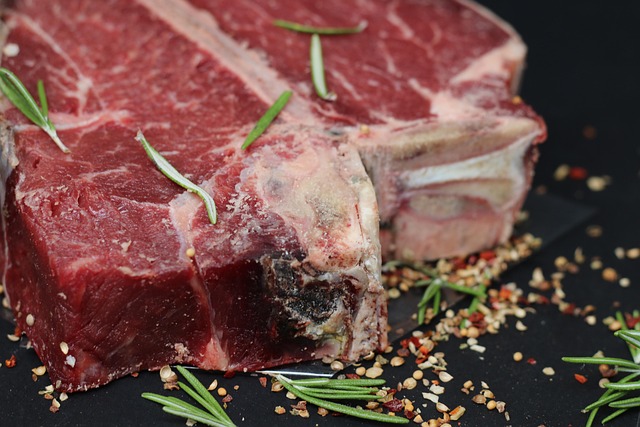
Skip the rinse before cooking raw meat, food safety experts at the U.S. Department of Agriculture and Australia’s Food Safety Information Council advise. Running meat under the tap does not kill harmful bacteria. Instead, the water can carry them from the meat to the sink, nearby utensils and food that won’t be cooked before it’s eaten.
Raw chicken, beef and pork can carry pathogens such as Salmonella, Campylobacter, E. coli and Listeria. You can’t tell whether these bacteria are present by looking at, smelling or tasting the meat. Foodborne illness is a particular concern for young children, pregnant women, older adults and people with weakened immune systems.
Even tiny droplets from rinsing can spread bacteria beyond the sink, a process known as cross-contamination. Cleaning the sink afterward can help, but it’s easy to miss splashes on nearby surfaces. The sink itself can also transfer bacteria to other foods or dishes that touch it.
Use a food thermometer rather than a rinse to make sure meat is cooked safely. The recommended internal temperature is 145°F (63°C) for whole cuts of beef and pork and 160°F (71°C) for ground beef and pork. Poultry, including chicken and turkey, should reach 165°F (74°C).
Before cooking, keep raw meat sealed and separate from other foods in the refrigerator so its juices don’t leak onto them. Use separate cutting boards and utensils for raw meat and ready-to-eat foods, and wash your hands thoroughly after handling raw meat.





Comments